Source Car Perfume Bottle for Personal Care, Gifts, and Daily Use
Explore 30 car perfume bottle options to compare glass materials, capacities, and sealing types. This guide helps buyers evaluate specifications for personal care and gift applications, ensuring you select the right packaging for your needs; compare the available evidence and request quotations based on your requirements.
Key considerations
Products List
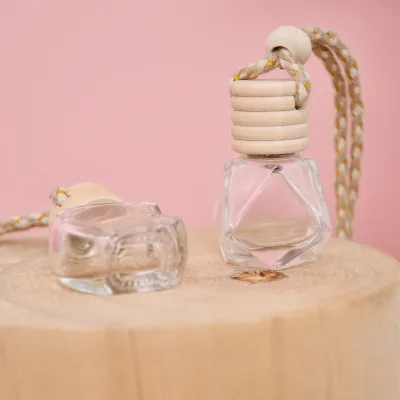





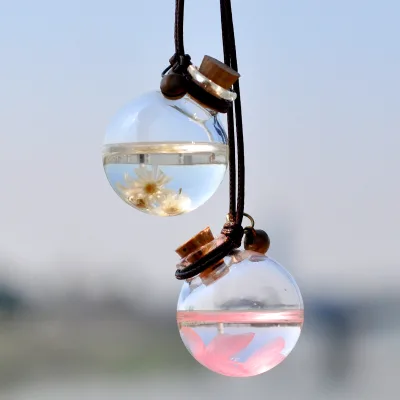


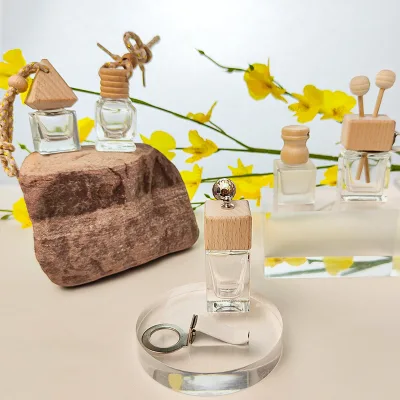
Comprehensive Sourcing Guide
Car Perfume Bottle Sourcing Guide
Sourcing car perfume bottles requires careful attention to material integrity, sealing mechanisms, and volume specifications to ensure product safety and aesthetic appeal. Buyers must distinguish between standard glass containers and specialized automotive accessories, as the latter often demand higher durability and specific mounting features. The market offers a variety of shapes, including round and square designs, which influence both the visual presentation and the functional fit within vehicle interiors. Understanding these physical attributes is the first step in aligning supplier offerings with your brand’s identity and customer expectations.
Procurement decisions should also account for the diverse range of capacities available, from small 2ml samples to larger 10ml units, each serving different usage patterns and regulatory requirements. The choice of sealing type, such as cork or pump sprayers, directly impacts the longevity and scent dispersion of the perfume, making it a critical technical specification. Additionally, the acceptance of OEM and ODM services allows for greater customization, enabling brands to create unique packaging that stands out in a competitive market while maintaining consistent quality standards across production batches.
Product Scope and Observed Listing Signals
The observed product landscape includes a wide array of glass bottles designed for personal care and automotive freshness, with capacities ranging from 2ml to 10ml. Listings frequently highlight transparent glass materials, which allow customers to monitor liquid levels, and various shapes like round and square forms that cater to different aesthetic preferences. Some suppliers offer bottles with narrow mouths and specific thicknesses, such as 0.5 cm, which contribute to the overall durability and premium feel of the final product. These physical characteristics are essential for buyers evaluating the visual and tactile quality of the packaging.
Commercial signals indicate a flexible pricing structure, with observed ranges suggesting competitive entry points for bulk orders. Minimum Order Quantities (MOQs) vary significantly, with some suppliers requiring as few as 1000 pieces while others demand volumes up to 20,000 pieces, reflecting different production scales and cost structures. Payment terms often include Telegraphic Transfer (TT) and Trade Assurance, providing a layer of security for international transactions. Buyers should carefully review these commercial terms to ensure they align with their cash flow requirements and risk management policies before committing to large-scale purchases.
Technical Specifications to Verify
Verifying the material composition is paramount, as listings specify glass bottles that must meet strict durability and safety standards for automotive environments. Buyers should confirm the glass type, such as melt glass, and ensure it is free from defects that could lead to breakage during transport or use. The sealing mechanism, whether cork or pump sprayer, must be tested for leak-proof performance, especially given the temperature fluctuations inside vehicles. Additionally, the bottleneck design, often described as narrow mouth, should be compatible with the chosen dispensing method to ensure smooth operation and prevent clogging.
Capacity and volume specifications must be precisely matched to the intended product formulation, with options ranging from 2ml to 10ml clearly listed. Buyers should verify the actual internal volume against the labeled capacity to avoid discrepancies that could affect product dosing and customer satisfaction. The thickness of the glass, noted as 0.5 cm in some listings, contributes to the bottle’s structural integrity, but this should be validated through physical inspection or supplier documentation. Ensuring these technical details are accurate prevents costly rework and maintains brand reputation for quality and reliability.
Compliance and Safety Documentation
Safety compliance is critical for car perfume bottles, as they contain volatile organic compounds that must be securely contained to prevent leaks or spills. Buyers should request documentation confirming that the glass material is non-toxic and suitable for contact with fragrance oils. The sealing components, such as corks or pump sprayers, must also be verified for chemical resistance to ensure they do not degrade or react with the perfume contents over time. This verification process helps mitigate risks associated with product failure and potential liability issues in the automotive market.
Environmental considerations are increasingly important, with some listings highlighting features like recyclability and degradability. Buyers should inquire about the sustainability of the packaging materials and the supplier’s practices regarding waste reduction and energy efficiency. While specific certifications are not detailed in the provided facts, requesting evidence of compliance with relevant environmental standards can enhance brand value and appeal to eco-conscious consumers. Ensuring that all components meet safety and environmental regulations is essential for successful market entry and long-term brand loyalty.
Cost Drivers and Commercial Terms
Several factors influence the final cost of car perfume bottles, including material quality, volume capacity, and customization requirements. Glass bottles with specific shapes, such as square or round designs, may incur higher production costs due to molding complexity. The inclusion of additional features, like screen printing or custom branding, also adds to the unit price. Buyers should analyze these cost drivers to determine the most cost-effective options that still meet their quality and aesthetic standards, balancing price with performance and brand image.
Commercial terms, such as MOQs and payment methods, play a significant role in the overall procurement strategy. Suppliers with lower MOQs, such as 1000 pieces, may charge higher unit prices but offer greater flexibility for testing new products or managing inventory. Conversely, higher MOQs, like 20,000 pieces, often result in lower unit costs but require larger upfront investments. Payment terms, including TT and Trade Assurance, provide varying levels of security and convenience. Buyers should negotiate terms that align with their financial capabilities and risk tolerance to ensure a smooth and profitable sourcing experience.
Supplier Qualification and Quality Control
Evaluating supplier qualifications is essential to ensure consistent quality and reliable delivery of car perfume bottles. Buyers should verify the supplier’s production capabilities, including their experience with glass manufacturing and customization services. Checking for certifications and quality management systems can provide insight into the supplier’s commitment to maintaining high standards. Additionally, reviewing the supplier’s track record and customer feedback can help identify potential risks and ensure that the chosen partner is capable of meeting your specific requirements and volume needs.
Quality control measures should be established to monitor the production process and final product quality. This includes inspecting the glass for defects, verifying the sealing mechanism’s integrity, and ensuring that the volume and capacity match the specifications. Buyers should request samples for thorough testing before placing large orders to validate the supplier’s claims and ensure that the products meet their expectations. Implementing a robust quality control plan helps minimize defects, reduce returns, and maintain a positive brand reputation in the competitive automotive accessories market.
Long-Term Procurement Checks
Establishing long-term relationships with suppliers requires ongoing monitoring and evaluation to ensure continued performance and value. Buyers should regularly review supplier performance metrics, such as delivery times, product quality, and responsiveness to issues. Maintaining open communication channels and conducting periodic audits can help identify areas for improvement and strengthen the partnership. Additionally, staying informed about market trends and technological advancements in glass packaging can help buyers make informed decisions and stay ahead of competitors in the evolving automotive accessories industry.
Adapting to changing market demands and customer preferences is crucial for long-term success. Buyers should be prepared to adjust their sourcing strategies based on shifts in consumer behavior, regulatory changes, and competitive pressures. This may involve exploring new suppliers, negotiating better terms, or investing in innovative packaging solutions. By maintaining a flexible and proactive approach to procurement, buyers can ensure that their car perfume bottle supply chain remains resilient, efficient, and aligned with their strategic business goals, ultimately driving sustained growth and profitability.
FAQs
What materials are used for car perfume bottles?
Car perfume bottles are primarily made from glass, specifically melt glass, to ensure durability and chemical resistance. Some designs may incorporate leather pouches for aesthetic appeal and protection. The glass material allows for transparent viewing of the liquid level, while the leather component adds a premium feel suitable for personal care and daily use in vehicles.
What sealing types are available for these bottles?
Available sealing types include cork stoppers and pump sprayers, depending on the specific bottle model and intended usage. Cork seals are often used for simpler designs, while pump sprayers facilitate controlled misting for car fresher applications. Buyers can select the sealing mechanism that best fits their dispensing needs and product viscosity requirements.
What volume capacities are offered for car perfume bottles?
Car perfume bottles are available in various capacities, including 2, 3, 4, 5, 6, 8, and 10 ml options. Some models may also support larger volumes up to 100 ml for different applications. These sizes cater to diverse needs, from compact car air fresheners to larger personal care containers, ensuring flexibility for different product formulations.
Can I get samples before placing a bulk order?
Yes, samples are provided freely to allow buyers to evaluate quality and design before committing to a purchase. This service enables customers to verify the glass thickness, sealing integrity, and overall aesthetic appeal. Obtaining samples helps ensure the product meets specific requirements for shape, color, and functionality before proceeding with larger manufacturing orders.
What shapes are available for car perfume bottles?
Car perfume bottles come in round and square shapes to suit different design preferences and interior aesthetics. The round shape offers a classic look, while the square shape provides a modern, structured appearance. Both options are crafted from glass and can be customized with various colors and surface handling techniques like screen printing for branding.
What is the minimum order quantity for these bottles?
The minimum order quantity varies by supplier, with some requiring as low as 1000 pieces and others setting thresholds at 10,000 or 20,000 pieces. Buyers should check specific supplier listings for exact MOQ requirements. Lower MOQs may be available for standard designs, while customized OEM/ODM orders might have higher minimums due to production setup costs.